Tinnitus is the perception of a sound — ringing, buzzing, hissing or humming — that does not come from the outside world. It is not a disease in itself but a symptom, and it is very common: surveys suggest that roughly one in seven adults in Europe experiences it, and the number grows with age.

What tinnitus sounds like
High-pitched whistle
The most frequent description: a thin, high tone that daytime noise covers and evening silence reveals.
Low hum or buzz
Like a fridge running in the next room. Less intrusive in volume, but it rarely stops completely.
Hiss or rushing
Like air escaping or an untuned radio. It often comes and goes over days.
Pulsing in time with the heartbeat
Pulsatile tinnitus. This type should always be checked by a doctor first.
The most common causes
In many people no single cause is found. What is well known are the factors that make tinnitus appear or make it more noticeable:
- Years of noise. Building sites, workshops, concerts and loud headphones are the most common background.
- Age-related hearing changes. Tinnitus often appears together with gradual hearing loss.
- Stress and tiredness. They rarely create tinnitus, but they change how loud it seems.
- Earwax and ear infections. Simple causes that a doctor can resolve quickly.
- Blood pressure and some medicines. Worth discussing with your doctor, especially for pulsing sounds.

Tiny cells, big job
Inside the inner ear, the cochlea holds thousands of delicate hair cells that turn vibrations into nerve signals. Loud noise over the years is the main reason they become less efficient — which is why protecting your ears matters at every age.
See a doctor without delay if ringing appears suddenly, affects only one ear, pulses in time with your heartbeat, or comes together with hearing loss, ear pain or dizziness.
Daily habits that make tinnitus easier to live with
- 1
Avoid total silence
A quiet fan, soft music or a nature-sound app at bedtime makes ringing less prominent.
- 2
Protect your ears
Use earplugs at concerts and in loud workplaces; keep headphones below 60 % volume.
- 3
Look after your rest
Regular sleep, less caffeine late in the day and short breaks from noise all help.
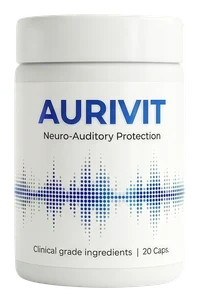
Many people also like to add a simple daily supplement to their routine. Aurivit combines ginkgo biloba and rhodiola rosea extracts with vitamins A and B2 — vitamin B2 contributes to the normal functioning of the nervous system and to the reduction of tiredness and fatigue. See the full ingredient breakdown.
Tinnitus in different European languages

Looking for information in your language? Tinnitus is called szumy uszne in Polish, Ohrgeräusche or Tinnitus in German, acouphènes in French, acufeni in Italian, acúfenos in Spanish, acufenos in Portuguese, tinnitus or pískání v uších in Czech, fülzúgás in Hungarian, шум в ушите in Bulgarian, εμβοές in Greek and tinitus in Slovenian.
